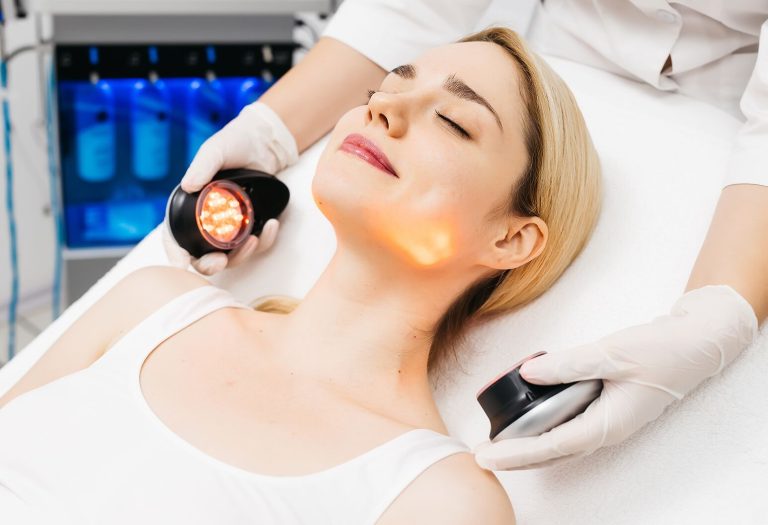

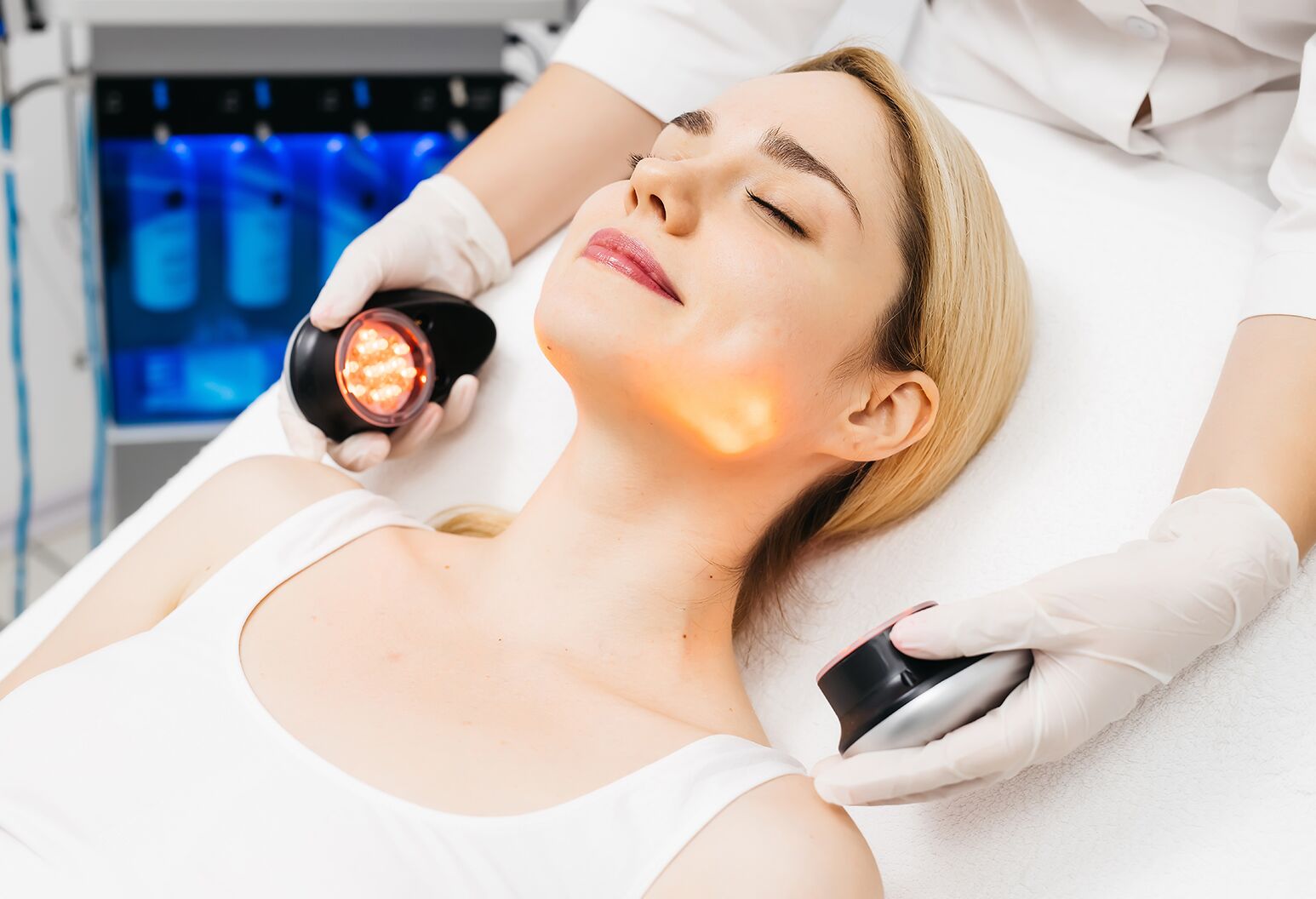
Red light therapy uses specific bands of visible red and near-infrared light. These wavelengths pass through the skin’s surface and are absorbed by cells underneath. The goal is not heat or tanning. It is to give cells a gentle signal that supports their normal repair work.
Anyone reading up on red light therapy for skin and recovery usually wants a few practical answers. They want to know which wavelengths matter, how deep each one reaches, and how often sessions should happen.
Without a clear framework, it is easy to go wrong. Some people use the wrong device for their goal. Others sit too close, stay too long, or stop before results have time to appear.
Why Structure Helps?
Light therapy works within a fairly narrow range. Too little light does very little, and too much can actually reduce the benefit. A structured routine keeps sessions inside that useful range.
- Match the wavelength to the depth you want to reach.
- Keep distance and session length consistent each time.
- Protect your eyes during every session.
- Give skin changes at least eight to twelve weeks.
- Check medications that may increase light sensitivity.
Red Light for Surface Skin
Red light usually sits between about 630 and 670 nanometres. It is absorbed mainly in the outer skin layers, where collagen and skin tone are shaped.
In practice, this range is used for fine lines, uneven texture, and general skin quality. Sessions are short and painless, with only a gentle warmth felt.
The limitation is depth. Red light does not travel far, so it does little for muscles or joints underneath.
Combined Panels
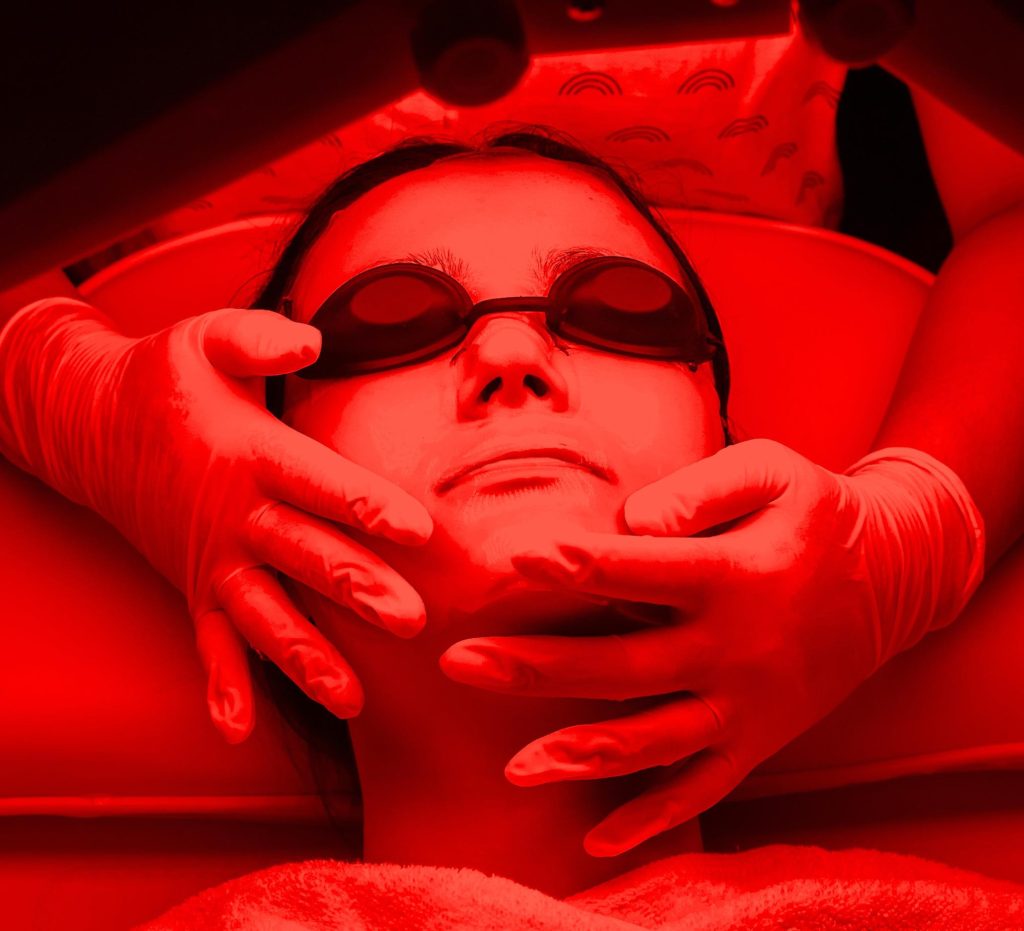
Many clinic devices now emit red and near infrared light together. This covers both the surface layers and deeper tissue in one session.
For most people working on red light therapy for skin and recovery, a combined panel is the most practical choice. It suits mixed goals without needing two separate routines.
The difficulty is that combined devices vary widely in output. Two panels that look identical may deliver very different amounts of light.
The Reality Check
Many people expect visible results within days. Skin and tissue changes are gradual, so early impatience often leads to quitting too soon.
Another common mistake is assuming more light is better. Longer sessions do not always help and can blunt the effect. Results also shift with sleep, stress, diet, and skincare habits, so light therapy works best as one part of a wider routine.
Building Lasting Progress
Progress comes from steady repetition and honest review. Keeping a simple log of session dates, times, and how your skin or body feels makes patterns easier to see.
After two or three months, review your notes and photos. Small adjustments to frequency or timing can then be made based on real evidence rather than guesswork.
Frequently Asked Questions
- Does red light therapy hurt? Most people feel only mild warmth during a session.
- How deep does red light reach?Red light mainly reaches the outer skin layers. Near infrared light travels deeper into tissue.
- How soon will I see skin results?Most people notice changes after eight to twelve weeks of regular sessions.
- Is it safe for every skin tone?Generally yes, since it does not rely on pigment. A brief check with a practitioner is still sensible.
- Do I need eye protection? Goggles are recommended, especially with bright panels.
Red light therapy rewards patience more than intensity. A clear routine, the right wavelengths, and steady sessions matter far more than a perfect setup. Showing up regularly and reviewing progress honestly is what turns a simple light session into meaningful, lasting results.
About the Author