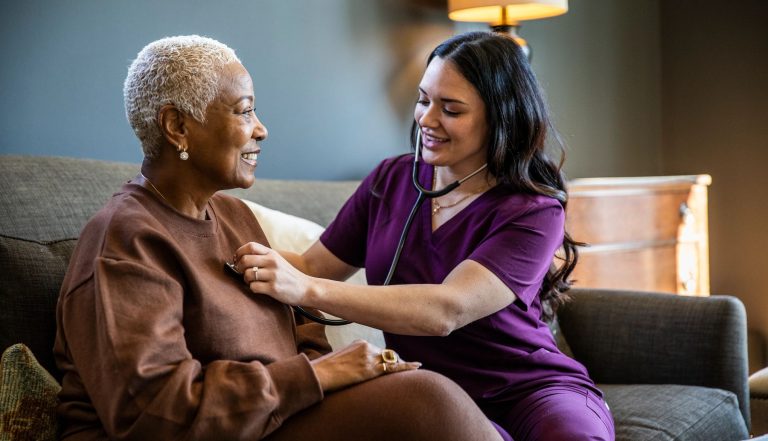

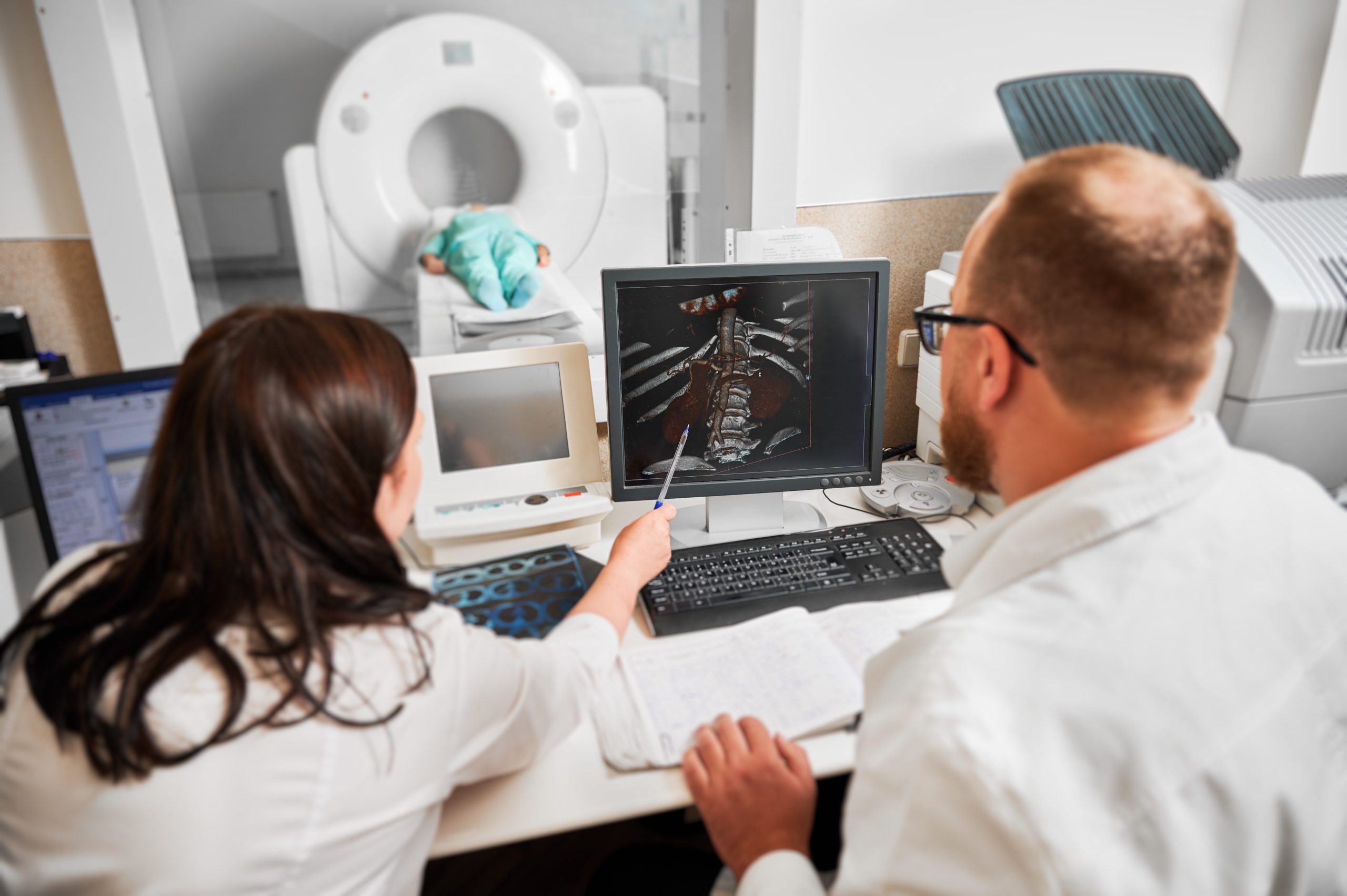
Most traditional health care begins after a symptom shows up. Pain, fatigue, unusual lab results. That has been the normal pattern for years. Am I actually fine? Not fine on the surface. Not fine because last year’s blood test looked normal. But truly fine inside. That question is pushing more people toward advanced imaging. They are not sick. They are not in pain. They just want to remove doubt before it grows.
And that is where full body MRI screening enters the conversation.
Information shared through this website presents imaging as a proactive step rather than a reaction to illness. It is about checking in early, not rushing in late.
What makes imaging different from routine exams
Most standard checkups focus on measurable markers. Blood sugar. Cholesterol. Blood pressure. These are essential indicators. But they do not show structure.
One measures function. The other observes form. They are not competitors. They simply answer different questions. And sometimes people want both answers.
The experience inside the scanner
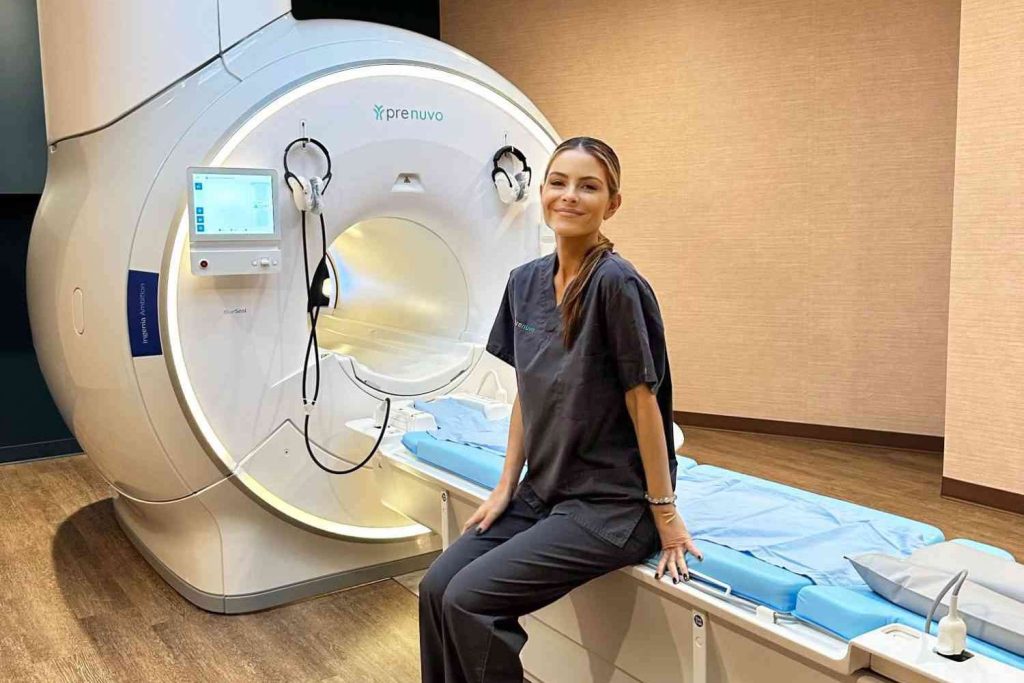
There is something unfamiliar about lying inside a large imaging machine. The space feels enclosed. The sounds can be mechanical and repetitive.
Still, the procedure is non invasive. No radiation. No surgical steps.
You lie still. The machine gathers information quietly. The session ends without recovery time.
Some individuals feel calm throughout. Others feel slightly tense at first and then adjust. It varies. Human reactions are rarely identical.
But the process itself is controlled and monitored carefully.
What happens when results arrive
The waiting period can feel longer than the scan itself.
When results come back clear, relief often feels stronger than expected. It is not dramatic. Just steady. A sense of calm.
If minor findings appear, doctors explain their meaning carefully. Many discoveries require monitoring rather than urgent action.
Occasionally, something more significant is detected early. In those cases, time becomes an advantage. Early planning creates options.
Options matter.
Who tends to explore this path
There is no strict rule about who should choose preventive imaging. Some individuals consider it because of family history. Others want a baseline image for future comparison.
Some simply prefer deeper insight into their health status.
Busy professionals sometimes appreciate completing comprehensive screening in a single session. Efficiency has value.
But not everyone feels drawn to this approach. Many are comfortable with routine exams alone.
Both choices can make sense.
A trusted website often becomes the first step before discussing options with a healthcare provider. Early detection is not about expecting something wrong. It is about reducing the unknown. And when the unknown shrinks, decision making feels steadier. Not rushed. Not emotional. Just informed.
About the Author